
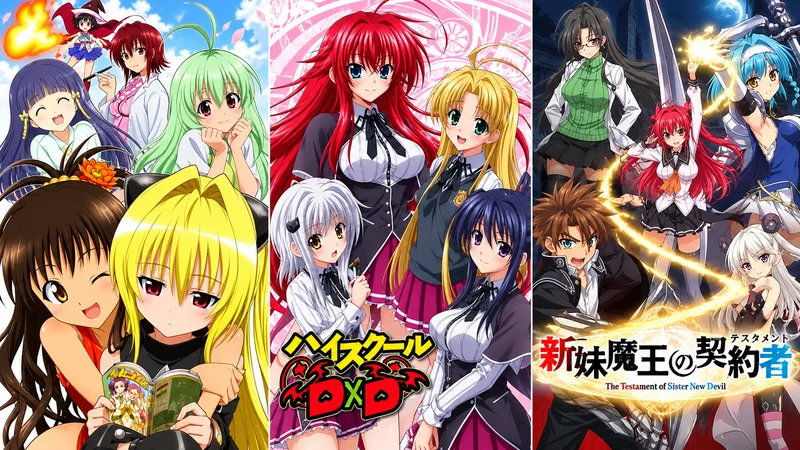
What is ecchi? In manga and anime discussions, ecchi describes sexually suggestive material that generally stops short of explicit sexual depiction. It often appears through flirtation, innuendo, revealing outfits, or embarrassing misunderstandings, sometimes played for comedy. Readers exploring genre terminology on MangaNato may encounter it as a tag alongside romance, fantasy, or harem.
Ecchi is not a synonym for romance, nor does it automatically mean pornography. It describes the suggestive tone or content of a work, while another genre may describe the main story. A lighthearted romantic comedy and an action-focused fantasy can both include ecchi elements, even though their plots have little in common.
If you are asking “what is ecchi?” before starting a new series, the important distinctions are its Japanese meaning, how it relates to fan service, and how it differs from hentai and harem. Recognizing those differences helps you judge whether a title’s humor and presentation are likely to suit your preferences.
Where the Word Ecchi Comes From
To answer “what is ecchi?” precisely, it helps to distinguish Japanese everyday speech from the way English-speaking anime and manga fans use the term. The Japanese word ecchi (エッチ, also romanized as etchi) is associated with the pronunciation of the letter H and has links to the word hentai. In conversation, it can describe something naughty, sexually suggestive, or indecent, depending on context.
In Japan, it is not necessarily the formal name of a publishing genre. English-speaking fans, however, frequently use ecchi as a convenient category for non-graphic but provocative material in anime, manga, and related entertainment. That distinction matters because a word used casually in Japanese does not always carry the same specialized meaning when it appears in an English-language genre list.
It is also worth separating a work’s classification from the way individual characters speak. A character calling someone ecchi in dialogue does not, by itself, establish that the entire story belongs to an ecchi category.
The Features That Make a Story Ecchi
So what is ecchi content typically like? Suggestive scenes are usually meant to create amusement, attraction, awkwardness, or romantic tension without presenting graphic sexual activity. The emphasis may fall on what characters imply, how they react to a misunderstanding, or how the artwork frames an otherwise ordinary interaction.
Common features include:
- Flirtation and innuendo: Dialogue with a suggestive second meaning, teasing, or romantic jokes.
- Embarrassing situations: Accidental encounters and misunderstandings used to create comedy or tension.
- Suggestive character presentation: Outfits, poses, or visual framing intended to attract attention.
- Recurring fan-service scenes: Moments that prioritize playful sensuality over the immediate needs of the plot.
These features do not all need to appear in one title. A series may have occasional suggestive jokes, while another builds much of its humor around them. The frequency and prominence of these moments are often more revealing than a single scene taken out of context.
Ecchi vs Hentai: How Explicit Are They?
What is ecchi compared with hentai? In common English-language anime and manga terminology, ecchi usually indicates suggestive or mildly erotic material without graphic portrayals of sexual acts. Hentai is generally used for sexually explicit anime and manga intended for adult audiences. These are useful broad distinctions, not universal content-rating standards.
Japanese usage differs from these English-language labels. In everyday Japanese, hentai can describe a person or behavior considered perverted, rather than naming a specific genre. Translating either term as though its meaning were identical in every language can lead to confusion.
Neither word should be treated as a substitute for an official age rating. Different publishers, editions, and services may describe or restrict the same work differently. When suitability matters, consult the actual edition’s publisher guidance instead of assuming that one genre tag guarantees a particular level of content.
How Ecchi Differs from Harem and Romance
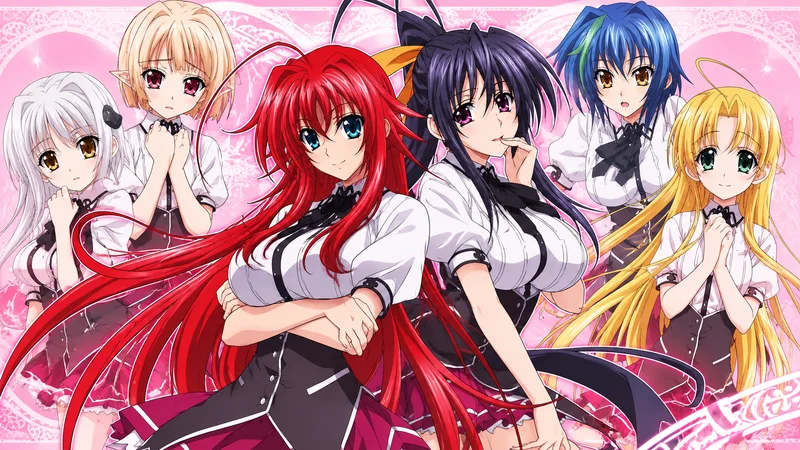
Another reason people ask “what is ecchi?” is that it often appears next to the word harem. Harem describes a relationship arrangement in which one central character has multiple potential romantic partners. Ecchi describes suggestive content or presentation. One is primarily about character relationships; the other is about tone and what the audience is shown.
A harem comedy may use suggestive jokes frequently, but it can also focus on emotional choices and misunderstandings without much sexualized imagery. Similarly, a manga involving one established couple can contain ecchi moments without being a harem story. Romance is broader still: it can be serious, gentle, dramatic, or comedic, with or without suggestive material.
These labels can coexist because they answer different questions. Romance tells you what kind of relationship drives a story; harem describes the number and arrangement of romantic possibilities; ecchi signals a particular kind of suggestive presentation.
Genre Tags Are Not the Same as Audience Categories
A manga can be described as shonen, seinen, romance, comedy, and ecchi without those words meaning the same thing. Shonen and seinen traditionally refer to the intended readership of a manga publication. Romance and comedy identify kinds of storytelling; ecchi alerts readers to suggestive elements. None of these labels alone supplies a complete age rating.
For contrast, Demon Slayer: Kimetsu no Yaiba was serialized in Weekly Shonen Jump, but its central appeal lies in demon hunting, family bonds, and action rather than ecchi comedy. Readers curious about the publishing context can examine when the Demon Slayer manga first came out and how its magazine debut differs from later collected volumes. Being published for a shonen audience does not establish that a work is ecchi.
A series can also change its emphasis over time. Early chapters may lean on comedy, with later installments focusing more on relationships or adventure. Checking descriptions of the specific manga or adaptation is more reliable than assuming that every installment balances these elements in the same way.
Manga Examples That Help Explain the Label
To Love Ru
Written by Saki Hasemi and illustrated by Kentaro Yabuki, To Love Ru combines science-fiction comedy with romantic complications. Its story follows Rito Yuuki, whose life becomes chaotic after the arrival of an alien princess. Publisher Seven Seas describes the series in terms of harem comedy and fan service, making it a useful example of how romantic rivalry and suggestive humor can appear together.
Monster Musume
OKAYADO’s Monster Musume follows Kimihito Kurusu as fantastical beings become part of his household under an interspecies exchange program. The series combines everyday-life comedy, unusual romantic complications, and provocative character presentation. Its fantasy premise is distinct from its suggestive tone; the story can reasonably be discussed under more than one category.
Ranma 1/2
Rumiko Takahashi’s Ranma 1/2 is primarily known for martial-arts comedy, romance, and transformations involving its central character. It also features embarrassing situations and occasional suggestive humor. That makes it helpful as a contrast: ecchi-like moments can appear in a broader comedy without necessarily serving as its defining genre label.
These examples illustrate different degrees and uses of suggestive humor rather than establishing a fixed scale. Individual editions and adaptations may handle scenes differently, so one title’s treatment should not be generalized to every work with the same tag.
Choosing a Series That Matches Your Comfort Level
“What is ecchi?” is a useful starting question, but it is not enough to tell you exactly what an unfamiliar manga contains. The intensity of suggestive imagery, the frequency of jokes, and the importance of romantic themes vary widely. Some readers enjoy playful awkwardness; others prefer stories where such material is minimal.
Before starting a series, read the publisher’s synopsis, look at any available age or content guidance, and check whether the genre description emphasizes romance, comedy, or provocative situations. If you are choosing something for a younger reader, rely on the edition’s stated age guidance rather than assuming that non-graphic content is automatically appropriate.
A useful description should help you make an informed choice, not tell you whether you ought to enjoy a genre. Matching the tone of a story to your interests is more helpful than treating a broad label as a promise about every chapter.
Frequently Asked Questions
Does ecchi always include nudity?
No. Innuendo, flirtation, revealing outfits, or embarrassing situations can create suggestive content without nudity. Other works may include non-graphic nudity. The label alone does not specify exactly what appears on screen or on the page.
Is every harem manga also ecchi?
No. A harem story is defined by several potential romantic interests surrounding one central character. Some use suggestive comedy heavily, while others focus on relationships and romantic decisions with little fan service.
Is ecchi suitable for all ages?
Not necessarily. Ecchi material can be suggestive even when it is not graphically explicit. Age ratings and suitability depend on the work, publisher, and edition, so readers should check the relevant guidance before choosing a title.
Final Thoughts
So, what is ecchi? In English-language manga and anime discussions, it is a label for sexually suggestive storytelling or imagery that generally remains distinct from explicit pornography. It often accompanies comedy or romance, but it does not define a plot, a relationship structure, or a publishing audience on its own.
Understanding the difference between ecchi, fan service, harem, and hentai makes genre descriptions more informative. For a specific series, the most dependable next step is to combine those labels with its synopsis and content guidance so that the reading experience matches your expectations.

Adam Kan is a content editor at MangaNato with a passion for manga, manhwa, and manhua. He focuses on exploring popular series, highlighting fresh releases, and creating engaging content that helps readers discover compelling stories across different genres.