
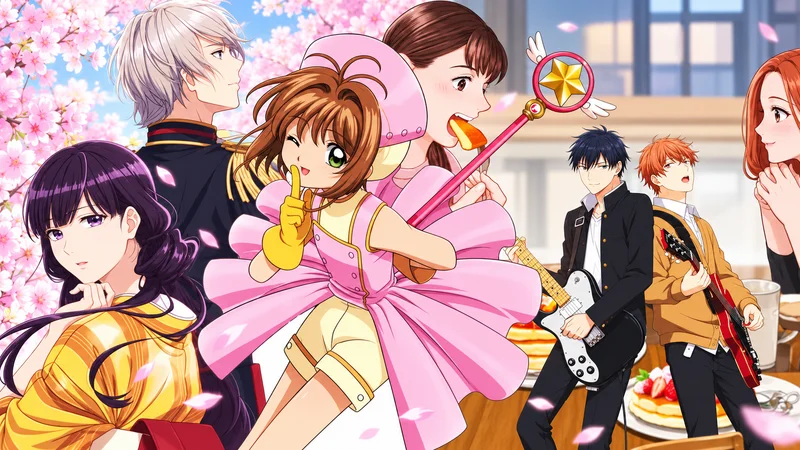
What is josei? In manga, josei is a publishing category traditionally aimed at adult women. The Japanese word josei (女性) means “woman,” and the label describes an intended readership rather than a single genre. Readers browsing manga terminology on MangaNato may see josei attached to a romance, a workplace comedy, a suspenseful drama, or a fantasy story.
Josei manga often explores relationships, careers, friendship, identity, and the pressures of everyday life, but none of those subjects is mandatory. A story does not become josei simply because its characters are adults, its artwork looks realistic, or its romance feels complicated. The publication and its intended audience provide more useful clues than appearance alone.
For anyone asking “what is josei?” the key is to separate readership labels from genres and age ratings. Understanding its relationship with shojo, shonen, and seinen also makes it easier to recognize why two visually similar manga may be classified differently. Real series offer the clearest examples of that range.
How Josei Became a Manga Category
The term josei manga commonly refers to Japanese comics marketed to women beyond the usual school-age readership associated with shojo magazines. Publications directed at adult women developed a more recognizable place in Japan’s comics industry during the late twentieth century, creating room for stories shaped by work, independence, family, and changing relationships.
What is josei in the context of Japanese publishing? It is a way of identifying the audience a magazine or imprint seeks to reach. Individual magazines develop their own editorial tastes, so a series associated with one can feel very different from a series published by another. The category gives readers a starting point, not an exact description of tone or subject matter.
Labels have also changed over time. Terms such as ladies’ comics and young ladies have appeared in discussions of manga for adult women, and their usage does not always align neatly with English-language genre menus. For an unfamiliar title, its original publication is often a better guide than relying on a single tag on an international website.
What Is Josei Compared with Shojo?
Josei and shojo both have traditions of storytelling for female readers, but they are not interchangeable. Shojo is traditionally associated with magazines aimed at girls and younger female readers, while josei focuses on adult women. Their audiences overlap, and a romance featuring university students is not automatically josei any more than a story about marriage is automatically excluded from shojo.
The other two widely discussed readership categories are shonen and seinen. Their differences are easiest to understand as publishing audiences rather than rigid rules about the characters or plots:
- Shojo: Traditionally targets girls and younger female readers; its stories can include romance, sports, fantasy, comedy, and mystery.
- Josei: Traditionally targets adult women; subjects range from friendships and careers to romance, family conflicts, and speculative fiction.
- Shonen: Traditionally targets boys and younger male readers; it includes much more than action or tournament stories.
- Seinen: Traditionally targets adult men; it can cover everyday comedy, psychological drama, adventure, and many other genres.
When someone asks “what is josei compared with shojo?”, the safest answer is about the publication’s intended audience, not a universal difference in emotional maturity. Readers of any gender or age can enjoy work from all four categories, and individual series frequently challenge expectations.
Stories and Themes Beyond Adult Romance
Romance is prominent in many well-known josei titles, but treating the entire category as realistic dating fiction overlooks its variety. Stories may center on making art, building a career, navigating friendship, rebuilding confidence, or finding a place in an unfamiliar social setting. Some use comedy to examine expectations that might otherwise feel heavy.
For a fuller answer to “what is josei?”, consider what a series asks its characters to confront rather than whether it contains a love interest. Several recurring interests show how wide its storytelling can be:
- Work and ambition: Balancing professional goals with personal needs, setbacks, or expectations from others.
- Friendship and community: How people support one another, grow apart, and redefine their identities.
- Love and family: Romantic choices, communication, commitment, and social pressures without requiring a perfect ending.
- Art, hobbies, and self-expression: Characters finding confidence through music, fashion, writing, or another pursuit.
- Drama, fantasy, and suspense: Genres that can coexist with an adult-women readership label instead of replacing it.
These are tendencies, not admission requirements. A light comedy can be josei, and an emotionally complex romance can be shojo or seinen. Story descriptions and publisher information are more informative than broad assumptions about what women or adults are supposed to read.
Why the Original Magazine Matters
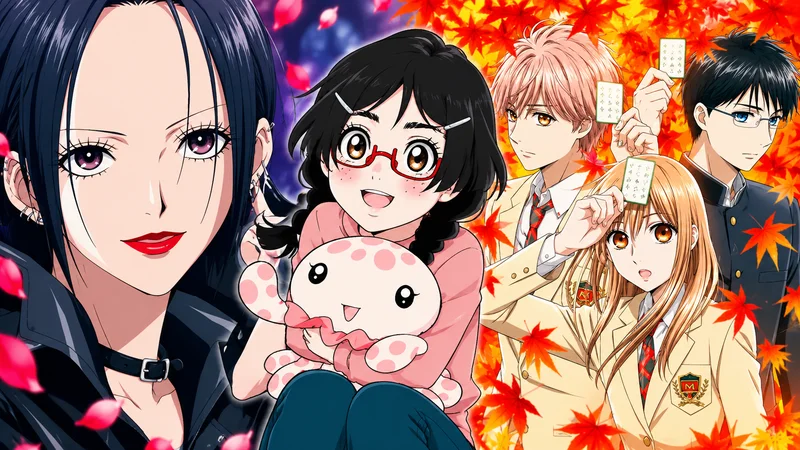
A manga’s original magazine can help explain its demographic classification. Kodansha, for example, identifies Kiss and BE LOVE as josei magazines. Works associated with those publications show that the label can accommodate character-driven comedy, romance, fantasy, and stories about complicated life decisions.
Compare that with Demon Slayer: Kimetsu no Yaiba, which debuted in Weekly Shonen Jump, a shonen magazine. Readers interested in how its initial publication relates to later books can explore when the Demon Slayer manga first came out. The difference between its publication and a title from Kiss is a useful reminder that shonen and josei identify target readerships, not whether a comic is serious, romantic, or suitable for everyone.
Publishing histories can still be complicated. Manga sometimes move between magazines, appear through digital services, or receive international labels that group shojo and josei together. If a classification seems uncertain, checking the original Japanese release provides firmer context than guessing from the cover or an anime adaptation.
Four Josei Manga That Show the Range
Readers looking for an example of what is josei in practice can start with works associated with recognized adult-women publications. The following titles offer contrasting premises rather than four variations of the same romance plot.
Nodame Cantabile: Music and Personal Growth
Tomoko Ninomiya’s Nodame Cantabile follows talented music students Shinichi Chiaki and Megumi Noda, whose different personalities and approaches to performance complicate their growing connection. Chiaki’s ambitions are held back by his fear of flying, while Nodame’s unusual talent and habits challenge his expectations. Music, artistic development, and comedy are at least as important to the story as romance.
Princess Jellyfish: Friendship and Self-Expression
In Akiko Higashimura’s Princess Jellyfish, Tsukimi Kurashita lives with women who share intense personal interests and feel more comfortable away from conventional social expectations. An unexpected encounter unsettles their familiar routines. The story uses humor, fashion, and friendship to explore identity and the confidence to be seen by others.
Tokyo Tarareba Girls: Adult Friendship and Expectations
Also by Akiko Higashimura, Tokyo Tarareba Girls focuses on Rinko, a screenwriter in her thirties, and the friends with whom she weighs career disappointments, relationships, and ideas about what her life should have become. Its humor comes from recognizable frustrations and the gap between the future its characters imagined and the choices in front of them.
Perfect World: Love and Everyday Barriers
Rie Aruga’s Perfect World begins when Tsugumi reunites with her former crush, Itsuki, who now uses a wheelchair following a spinal injury. Their renewed relationship forces both characters to confront barriers, assumptions, and difficult questions about intimacy and independence. It illustrates how a romantic story can address circumstances beyond the central couple’s feelings.
What Is Josei Anime?
Josei anime usually refers to an animated adaptation of a manga associated with an adult-women readership. Nodame Cantabile and Princess Jellyfish, for instance, have anime adaptations, so readers may encounter the josei label while browsing animation even though its roots lie in manga publishing.
That does not make every anime featuring working adults a josei series. Some animated works are original productions rather than adaptations of demographic-specific manga, and marketing categories for anime do not always match comic-magazine classifications. Where a series began can clarify why fans describe it in a particular way.
Asked “what is josei?” in the context of an adaptation, the practical answer remains the same: a description of intended audience and publishing heritage, not an animation technique. Manga and anime versions may also differ in pacing or selected scenes, so observations about one should not automatically be treated as facts about the other.
How to Choose a Josei Manga
You do not need to belong to a particular demographic to appreciate josei stories. A useful starting point is the subject you want to spend time with: music, friendship, complicated relationships, professional life, or a character looking for independence. The readership category can help you explore, but it should not replace the actual premise.
Before choosing a title, check a few practical details:
- Read the synopsis: Look for the central conflict and the characters’ goals rather than relying on the demographic tag alone.
- Check the original publication: Magazine or publisher information can help distinguish josei from a similarly styled shojo series.
- Consider the tone: A workplace comedy, a tender romance, and a psychological drama create very different experiences.
- Review age guidance: Adult-targeted publishing does not automatically mean explicit material, and a demographic label is not a content rating.
If your interest comes from a familiar anime, confirm whether a manga version exists and which work was published first. If you are beginning with comics, sample pages can give you a better sense of the storytelling than broad lists of supposed genre rules.
Frequently Asked Questions
What Is Josei Manga About?
There is no single josei plot. The category includes romances, comedy, friendship stories, career dramas, and fantasy. What unites the label is the traditional target readership of adult women, not a fixed subject or ending.
Is josei only for women?
No. The label indicates an intended market, not a restriction on who can read the work. People of any gender can enjoy josei manga, just as adult readers may enjoy shojo or shonen stories.
Does josei always contain mature or explicit content?
No. A josei work may explore adult concerns without graphic sex or violence. Content varies by title, and readers should use publisher ratings or edition-specific guidance to judge suitability.
Can a fantasy or comedy manga be josei?
Yes. Josei describes readership, so it can overlap with fantasy, comedy, mystery, romance, and other genres. A manga does not need a realistic setting or a central love story to fit the category.
Final Thoughts
Ultimately, what is josei? It is a category of Japanese manga traditionally published for adult women, not a shorthand for explicit romance or a particular drawing style. Its stories can be funny, unsettling, affectionate, imaginative, or grounded in everyday concerns.
Knowing the difference between audience labels and story genres makes manga easier to explore. Start with the characters and subjects that interest you, then use the original publication and content guidance to understand what kind of reading experience a particular title offers.

Adam Kan is a content editor at MangaNato with a passion for manga, manhwa, and manhua. He focuses on exploring popular series, highlighting fresh releases, and creating engaging content that helps readers discover compelling stories across different genres.