
Demon Slayer is set in Japan’s Taisho Era (1912–1926). The story rarely states an exact year, but the consistent technology and fashion cues match Taisho Japan.
Demon Slayer shows the Taisho era through trains, modern city life, and a mix of traditional and Western-influenced clothing.
The setting fits because Japan is modernizing while demons remain a hidden, old-world threat and the Corps operates in the shadows.
The story shifts between rural villages and growing cities to highlight uneven modernization and raise the stakes.
Read the full article below on MangaNato to learn What era is Demon Slayer in and how the Taisho setting shapes the story.
What era is Demon Slayer?
Demon Slayer takes place in Taisho Japan, roughly 1912-926.
Taisho matters because it is a transitional window: rural life still looks traditional, while cities rapidly modernize with rail travel, electric lighting, and Western influence.
Demon Slayer uses that contrast to make room for both old folklore and early-modern technology in the same world.
Quick setting summary
- Era: Taisho Era Japan
- Years: 1912-1926
- Core idea: tradition and modernization overlap, so “hidden monsters” still feel plausible

Taisho Era basics for global viewers
When you ask what era is Demon Slayer, the simplest way to understand Taisho is “early 20th century Japan.”
It is modern enough to have national travel and city infrastructure, but not so modern that every rumor becomes public knowledge instantly.
That in-between feeling is why Demon Slayer can show modern trains and still keep demons as a terror most citizens do not fully understand.
Taisho Era dates and the timeline window
The Taisho Era spans 1912 to 1926, between the Meiji and Showa eras. That narrow range helps the story feel specific without forcing one fixed calendar year for every scene.
For international viewers, the easiest translation is “Japan in the 1910s and 1920s,” when modernization is visible but uneven across regions.
What changed in Japan during Taisho
Taisho-era cities expand and everyday life becomes more connected through transport, commerce, and new public spaces. At the same time, many rural areas keep older rhythms, customs, and household responsibilities.
Demon Slayer leans into that split by grounding its emotional core in rural family life, then escalating danger in more modern locations.

How the Taisho setting shows up on screen
A practical way to confirm what era is Demon Slayer is to watch for repeated “era cues.” Demon Slayer uses many small details that stack together rather than one single history lesson.
Once you notice the pattern, Taisho becomes hard to unsee.
Technology clues: trains, lights, and connected travel
Taisho Japan is modern enough that rail travel feels normal, and Demon Slayer uses that realism to move the cast between arcs without breaking immersion.
Common tech cues
- Passenger trains and station platforms
- Modern-style lighting in larger towns and cities
- A sense of national routes rather than isolated medieval travel
Clothing and architecture: the mixed-world signature
Taisho-era fashion is a mix: traditional clothing remains common, but Western-inspired outfits and institutional uniforms appear more often in cities.
You can also feel the setting shift as locations change:
- Rural homes and shops look older and craft-based
- City streets feel busier and more modern
- Uniformed roles and organized spaces appear more frequently
Social cues: duty, respect, and public life
The series reflects a society where family responsibility and respect still carry major weight.
Yet the world is opening up: characters travel widely, meet people across regions, and operate around growing city life.
That blend of old values and expanding public spaces fits a Taisho-era atmosphere.
Why the Taisho Era fits Demon Slayer’s themes?
People search what era is Demon Slayer because the time period feels intentional. Taisho is a story-friendly era because it mirrors Demon Slayer’s core theme: transition under pressure.
Japan is shifting from old to new, while demons represent an ancient violence that refuses to disappear. That clash makes the setting feel tense even before the fights begin.
Tradition versus modernization: the emotional contrast
Demon Slayer repeatedly contrasts quiet rural life with modernizing towns. Progress exists, but it does not protect people from older horrors, which makes the demon threat feel sharper.
It also matches the characters’ growth: they hold traditional values like duty and family, but must adapt fast, learn new techniques, and survive unfamiliar environments.
Why demons feel believable in this time window
Taisho is modern enough to feel real, but not so modern that every mystery becomes instantly public, documented, and solved. The story can keep demons as a hidden terror most people deny, explain away, or only whisper about.
That lets the supernatural remain frightening without needing a “worldwide public panic” framework.
The Demon Slayer Corps as a shadow institution
In Taisho Japan, a group like the Demon Slayer Corps can plausibly exist outside official structures. The nation is organized enough for travel and networks, but folklore still has social power, especially away from major cities.
This is the sweet spot where a secret demon-hunting organization can operate: mobile, coordinated, and largely unseen by everyday civilians.
Where Demon Slayer takes place within Taisho Japan
Even if you know what era is Demon Slayer, remember that Taisho Japan is not one uniform environment. Demon Slayer uses geography to show how uneven modernization can be.
Think in layers: countryside, small towns, then larger cities. The series moves through those layers to refresh tone and raise stakes.
Rural mountains and small towns
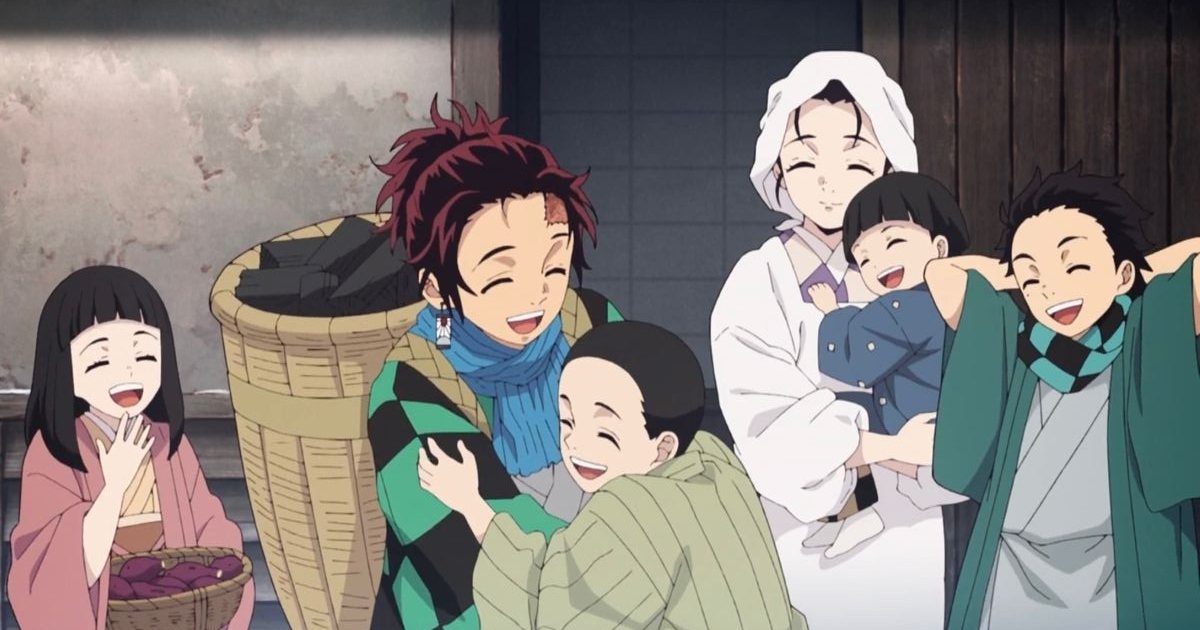
The story’s foundation is rural: family work, local community, and travel that still feels physically demanding. These places preserve older customs and daily routines, which makes supernatural disruption hit harder.
They also explain why rumors can spread slowly, and why isolated areas feel vulnerable.
Cities and entertainment districts
When the cast enters larger towns and cities, Taisho-era modernity becomes easier to spot. Streets feel busier, public life is more visible, and social spaces are more complex.
From a plot perspective, city settings raise stakes because threats can endanger more people while still staying hidden in crowds.
Travel and pacing
Trains and connected routes let the story move quickly between locations while keeping danger local once the cast arrives. This supports Demon Slayer’s structure: distinct incidents, escalating threats, and a widening world.
FAQs about what era is Demon Slayer
If you still have questions about what era is Demon Slayer, these FAQs reflect common search intent and quick People Also Ask wording.
Is Demon Slayer set in the Edo period?
No. Demon Slayer shows trains and early-modern city life, so it is set much later than Edo-era Japan and fits the Taisho period instead.
How can you tell it is the Taisho Era in Demon Slayer?
Look for repeated clues like passenger trains, modern lighting in cities, and a mix of traditional clothing with Western-inspired outfits and uniforms.
Is Demon Slayer set in real Japan?
The era is real, but the story is fictional. Demon Slayer uses Taisho-era Japan as a backdrop, then adds demons, Breathing Styles, and the Demon Slayer Corps.
So, what era is Demon Slayer? It is set in Japan’s Taisho Era (1912–1926), a period where old traditions and modern change collide.
That setting explains why you can see trains and city life while demons still function like a hidden, folklore-like threat.
If you are also asking when does Demon Slayer come back, explore more Demon Slayer setting guides, spoiler-light timelines, and lore explainers on MangaNato.
