
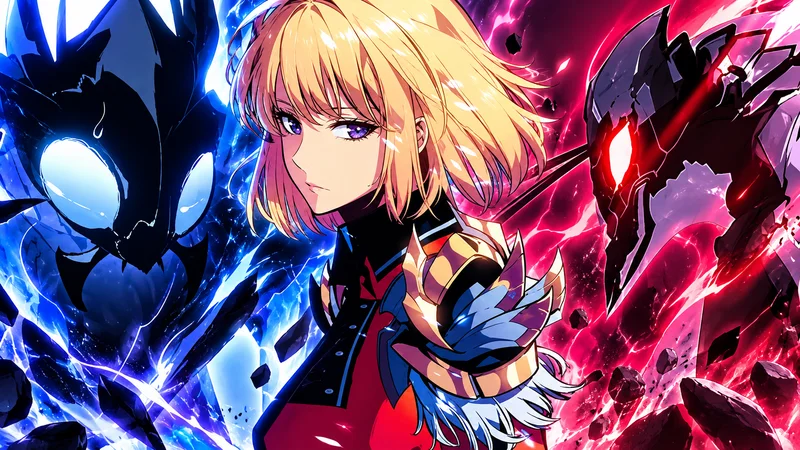
What country is Solo Leveling set in? The original story takes place primarily in South Korea, with Seoul providing much of its modern urban backdrop and Jeju Island becoming important to its larger conflict. Sung Jinwoo is a Korean hunter living in a world where dangerous Gates connect ordinary life to monster-filled dungeons. For readers exploring Korean comics through MangaNato, South Korea is the straightforward answer when discussing the original web novel and manhwa.
Some viewers encounter a different answer because Solo Leveling has Japanese-localized releases. In those versions, Sung Jinwoo may be called Shun Mizushino, and certain place names and setting details are adapted for a Japanese audience. The anime was also produced by a Japanese studio, but its production country is a separate question from the setting of the original Korean story.
So the answer depends slightly on which edition you are watching or reading. The Korean original and the internationally familiar version retain Korean names and context, while the Japanese domestic localization uses different names and some altered location references. Understanding that distinction explains why two people may describe the same fantasy series as taking place in different countries.
South Korea Is the Main Setting of the Original Story
When someone asks “what country is Solo Leveling set in,” the primary reference should be the work created by Korean novelist Chugong and its webcomic adaptation. Jinwoo’s everyday life, his family responsibilities, and the institutions that regulate hunters are rooted in a contemporary Korean setting. The story adds supernatural Gates and magical abilities to a recognizable modern society rather than beginning in a completely invented kingdom.
Seoul serves as an important backdrop for the world Jinwoo inhabits. Hospitals, residential areas, offices, and hunter organizations anchor the fantasy in ordinary life. The appeal of this contrast is that Jinwoo can return from a deadly dungeon to a world where people still worry about employment, money, health, and family.
There is no need to identify every street or building as an exact real-world location. The setting is a fictionalized modern South Korea in which supernatural disasters have changed public safety and created a dangerous new profession. Its familiar geography makes the extraordinary threats feel closer to home.
Seoul, Jeju Island and the Places Readers Recognize
What country is Solo Leveling set in when the action moves outside ordinary city life? Much of the story still connects back to South Korea, although the danger expands beyond a single neighborhood. Several geographical and institutional references help establish where the original narrative is grounded.
- Seoul: The Korean capital is a major urban reference point for Jinwoo’s personal life and the wider hunter society.
- Jeju Island: This real South Korean island becomes the setting for a dangerous monster crisis and an important raid in the story.
- Korean hunter organizations: The country’s hunter association and powerful guilds show how the fantasy threat affects national institutions.
- Other countries: Foreign hunters and international cooperation appear as the conflict grows, confirming that the story’s world extends beyond South Korea.
Jeju Island deserves particular attention because it is not an imaginary dungeon realm. It is a real island south of the Korean Peninsula, reimagined within the series as the location of an extraordinary threat. Knowing that makes the contrast between recognizable geography and fictional events easier to appreciate, without needing any major story spoilers.
Why the Japanese Version Can Seem to Be Set in Japan
The most common source of confusion surrounding “what country is Solo Leveling set in” is localization. A Korean comic became popular internationally, including in Japan, where its published version adopted Japanese names. That approach carried into the anime’s domestic and overseas dialogue recordings.
Producer Sota Furuhashi explained in an interview published by Sony Music Group that the protagonist is called Shun Mizushino in the Japanese release, while overseas audiences know him as Sung Jinwoo. The production arranged separate Japanese-language recordings using the respective names and also prepared different terms for places and other details.
- Original Korean work: Sung Jinwoo and the Korean setting provide the source continuity.
- Japanese domestic localization: The protagonist becomes Shun Mizushino, and some place references are adapted for that market.
- International anime releases: Korean names such as Sung Jinwoo are commonly retained, reflecting the source material’s identity.
These editions are not evidence that Chugong originally wrote two unrelated stories. They are localized presentations of the same franchise. Because place references can vary, it is more accurate to specify the edition than to declare that every release uses precisely the same geographical labels.
Japan’s Role as an Anime Producer Is a Different Issue
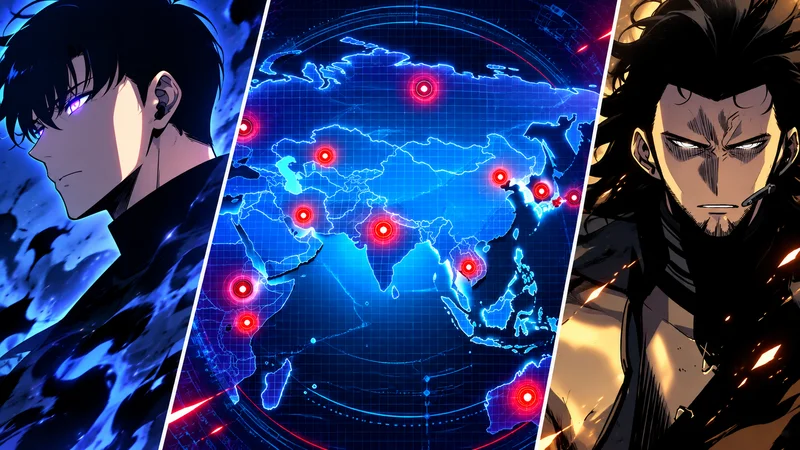
Asking “what country is Solo Leveling set in” is not the same as asking which country animated it. Solo Leveling originated in South Korea as a web novel, became a Korean webcomic, and was later adapted for television by Japan’s A-1 Pictures, with Aniplex and Crunchyroll involved in the production.
That cross-border development is common in modern entertainment: a story can originate in one country and be adapted by a production team in another. The language of a voice performance does not, by itself, determine where the fictional events occur. Watching the characters speak Japanese in an anime does not automatically make their original setting Japan.
The adaptation team also had to portray everyday environments convincingly. In a production interview with VFX Voice, Furuhashi described Korea as the foundation of the original work while acknowledging cultural adjustments in Japanese editions. The goal was to preserve a believable modern world even when the fantasy action became extraordinary.
How the Korean Origin Connects to Manhwa
To understand “what country is Solo Leveling set in,” it helps to distinguish the location of the story from the cultural origin of its publishing format. Chugong’s original work was a Korean web novel. Its illustrated adaptation is manhwa, the term commonly used internationally for Korean comics, and it became especially recognizable through the full-color webtoon format.
By contrast, manga is the term English-speaking readers generally use for Japanese comics. The distinction concerns publishing traditions rather than a guarantee about where a plot takes place. A comic can have Korean creators and depict events in another country; Solo Leveling happens to be Korean in origin and primarily Korean in its original setting. Readers interested in the difference can explore what is manga means in Japanese comics for further context.
Likewise, a Japanese anime adaptation does not retroactively turn the source comic into Japanese manga. Keeping the novel, manhwa, and anime versions separate makes it easier to understand the names, settings, and publication information you encounter.
Gates Lead to Other Dimensions, but the Starting World Is Earth
Another reason readers wonder “what country is Solo Leveling set in” is that Jinwoo spends so much time inside dungeons. These spaces can look entirely unlike the streets and buildings of South Korea. Yet the basic premise is that Gates connect the modern human world to dangerous realms inhabited by monsters.
The dungeon settings are fictional environments, not a replacement for the story’s home country. Hunters enter them as part of a profession shaped by real-world institutions and risks. When they return, the narrative often returns to familiar concerns such as family, medical care, and public safety.
This also helps distinguish the work from a typical isekai story. An otherworldly portal does not necessarily make a series about someone permanently transported or reincarnated into a new society. Jinwoo’s life and the consequences of his actions remain closely connected to the modern world he already knows.
How to Identify Which Setting Your Edition Uses
If you’re still asking “what country is Solo Leveling set in” after watching a clip or reading a translated chapter, check the version before deciding that one viewer is mistaken. These clues are more dependable than the language of the soundtrack alone.
- Check the protagonist’s name: Sung Jinwoo usually signals the Korean-name presentation; Shun Mizushino indicates Japanese localization.
- Read place names and institutional references: They can reveal whether the edition uses original Korean references or adapted Japanese ones.
- Identify the medium: The original Korean novel and manhwa provide the source setting, while an anime may have several localized releases.
- Consult creator or production information: Official credits and interviews clarify the distinction between a work’s origin and a particular adaptation.
Do not assume that an English subtitle track, a Japanese voice actor, or a screenshot of a city is sufficient evidence on its own. Localization may affect names without changing the story’s basic conflicts. Compare several clues if the specific edition matters to your question.
Frequently Asked Questions
What Country Is Solo Leveling Set In in the Anime?
The internationally familiar anime presentation retains the Korean context and character names of the original story. Japanese domestic releases use localized Japanese names and some adapted place references. The version you watch therefore matters when discussing exact labels, while South Korea remains the setting of the source material.
Is Sung Jinwoo Korean or Japanese?
Sung Jinwoo is Korean in the original novel and manhwa. Shun Mizushino is the Japanese-localized name for the same central character, not a different protagonist in an unrelated story.
Is Jeju Island a Real Place?
Yes. Jeju is a real island in South Korea. Solo Leveling uses it as the setting for a fictional monster-related crisis; the supernatural events and creatures are not part of the island’s real history.
Does Solo Leveling Take Place Only in South Korea?
No. South Korea is the central setting of the original story, but other countries and international hunters become relevant as the danger expands. The story also includes fictional dungeon realms accessed through Gates.
Final Thoughts
So, what country is Solo Leveling set in? South Korea is the clear answer for the original Korean novel and manhwa. Seoul helps ground Jinwoo’s everyday life, and Jeju Island adds a memorable real-world location to the fantasy conflict.
Japanese-localized editions can use different names and place references, which explains why the answer sometimes appears inconsistent. Keep the original setting, the localized version, and the anime’s Japanese production separate, and the geography of Solo Leveling becomes much easier to understand.

Adam Kan is a content editor at MangaNato with a passion for manga, manhwa, and manhua. He focuses on exploring popular series, highlighting fresh releases, and creating engaging content that helps readers discover compelling stories across different genres.